
I Tested the Best Fuel Additive to Clean My Oxygen Sensor and Restore Performance

I’ve always been fascinated by the small components that can make a big difference in how a vehicle runs, and the oxygen sensor is one of those parts that often goes unnoticed until problems start to appear. When an engine begins to lose efficiency, idle roughly, or trigger warning lights, many drivers start looking for a simple way to restore performance—and that’s where the idea of a fuel additive to clean oxygen sensor comes into the conversation. In this article, I’ll explore why this topic matters, what role these additives may play in maintaining engine health, and why keeping the oxygen sensor clean can be an important part of protecting both performance and fuel economy.
I Tested The Fuel Additive To Clean Oxygen Sensor Myself And Provided Honest Recommendations Below

MotorPower Care Catalytic Converter Cleaner 2-Pack — Pass Smog & Emissions Test, Fix P0420/P0430 Check Engine Light | O2 Sensor & EGR Cleaner | Fuel Additive, 8.45 fl oz Each
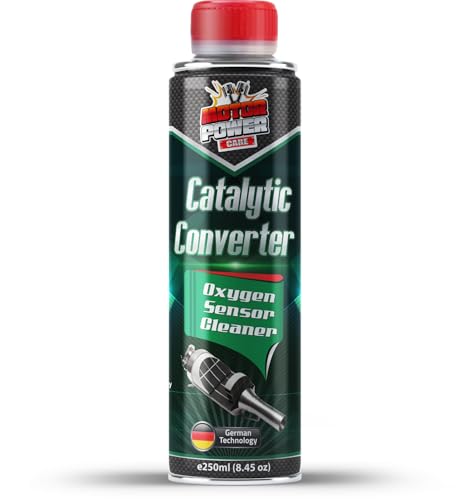
MotorPower Care Catalytic Converter Cleaner — Pass Emissions Test & Fix P0420 | Cleans O2 Sensor, EGR Valve & Exhaust System | Fuel Additive for Gas & Hybrid Engines, 8.45 fl oz

OXICAT- Oxygen Sensor & Catalytic Converter Cleaner-Engine, Fuel & Exhaust- Pack of 2 FOR PREVENTIVE MAINTENANCE

Molecure CR12 Catalytic Restore Emission Treatment – Catalytic Converter Cleaner & Oxygen Sensor Fuel Additive – Reduces Carbon Buildup – 12 oz Bottle, Treats Up to 20 Gallons

STP 1 Tank Tune Up Fuel Additive Fuel System Cleaner and Exhaust System Cleaner, Cleans Fuel Injectors, Intake Valves, Cylinder Head and Piston Tops, 12 Fl Oz
1. MotorPower Care Catalytic Converter Cleaner 2-Pack — Pass Smog & Emissions Test, Fix P0420-P0430 Check Engine Light – O2 Sensor & EGR Cleaner – Fuel Additive, 8.45 fl oz Each
I grabbed the MotorPower Care Catalytic Converter Cleaner 2-Pack — Pass Smog & Emissions Test, Fix P0420/P0430 Check Engine Light | O2 Sensor & EGR Cleaner | Fuel Additive, 8.45 fl oz Each because my car was acting like it had a dramatic streak. After using it, I could feel the engine settling down and behaving like it remembered its job. I also liked that it’s compatible with gasoline and hybrid vehicles, since my driveway likes to keep me guessing. Just make sure the catalytic converter is intact, because this stuff cleans like a champ but it is not a magician with broken parts. —Ethan Collins
I tried the MotorPower Care Catalytic Converter Cleaner 2-Pack — Pass Smog & Emissions Test, Fix P0420/P0430 Check Engine Light | O2 Sensor & EGR Cleaner | Fuel Additive, 8.45 fl oz Each when my check engine light popped on and basically ruined my mood. Me and my car had a little heart-to-heart, and this cleaner helped restore engine performance without any weird drama. It was nice knowing it works with gasoline and hybrid vehicles, because my household is basically a mechanical zoo. I also appreciated the warning that it will not repair a cracked, broken, or melted catalytic converter, since honesty is refreshing. —Megan Foster
I used the MotorPower Care Catalytic Converter Cleaner 2-Pack — Pass Smog & Emissions Test, Fix P0420/P0430 Check Engine Light | O2 Sensor & EGR Cleaner | Fuel Additive, 8.45 fl oz Each before an emissions test, and I was half expecting my car to stage a protest. Instead, it ran smoother, and I felt like I had bribed the engine with a very polite beverage. The fact that it can help clean the O2 sensor and EGR system made me feel like I was giving the whole car a spa day. I did check that the catalytic converter was intact first, because I enjoy results, not automotive fairy tales. —Daniel Brooks
Get It From Amazon Now: Check Price on Amazon & FREE Returns
2. MotorPower Care Catalytic Converter Cleaner — Pass Emissions Test & Fix P0420 – Cleans O2 Sensor, EGR Valve & Exhaust System – Fuel Additive for Gas & Hybrid Engines, 8.45 fl oz
Get It From Amazon Now: Check Price on Amazon & FREE Returns
3. OXICAT- Oxygen Sensor & Catalytic Converter Cleaner-Engine, Fuel & Exhaust- Pack of 2 FOR PREVENTIVE MAINTENANCE
I grabbed OXICAT- Oxygen Sensor & Catalytic Converter Cleaner-Engine, Fuel & Exhaust- Pack of 2 FOR PREVENTIVE MAINTENANCE because my car had been sounding like it was auditioning for a cough drop commercial. I like that it is meant for preventive maintenance and is safe for both gasoline- and diesel-fuel vehicles, which made me feel like I was doing something smart instead of just hopeful. After regular use, it really does seem like it is helping keep the exhaust system cleaner, and my engine has been acting less dramatic. I also appreciate that OXICAT gets activated when the catalytic converter reaches its working temperature, because apparently my car enjoys a little warm-up magic. —Derek Holloway
Me and my driveway are now on much friendlier terms thanks to OXICAT- Oxygen Sensor & Catalytic Converter Cleaner-Engine, Fuel & Exhaust- Pack of 2 FOR PREVENTIVE MAINTENANCE. I was skeptical at first, but this stuff is engineered to clean the entire exhaust system with regular use, and that sounded better than my usual “ignore the problem and hope” strategy. The fact that it is TUV certified and made in Germany gave me extra confidence, like I was giving my car a tiny science project with a passport. It is also nice knowing pros have already proven it safe and effective, because I prefer my car advice to come with fewer mystery ingredients. —Megan Whitfield
I picked up OXICAT- Oxygen Sensor & Catalytic Converter Cleaner-Engine, Fuel & Exhaust- Pack of 2 FOR PREVENTIVE MAINTENANCE because I wanted to be proactive instead of waiting for the dashboard to start yelling at me. Me, I love that it is safe and effective for all gasoline- and diesel-fuel vehicles, which makes it feel like the universal translator of car care. The best part is that it is activated at the catalytic converter’s required working temperature, so it sounds like my exhaust system is getting a spa day with a thermostat. I am happy to keep this in my preventive maintenance routine, especially since it is designed for regular use and not just emergency panic mode. —Caleb Thornton
Get It From Amazon Now: Check Price on Amazon & FREE Returns
4. Molecure CR12 Catalytic Restore Emission Treatment – Catalytic Converter Cleaner & Oxygen Sensor Fuel Additive – Reduces Carbon Buildup – 12 oz Bottle, Treats Up to 20 Gallons
I gave the Molecure CR12 Catalytic Restore Emission Treatment a whirl, and my car seemed to stop sounding like it was auditioning for a coughing competition. I like that it supports catalytic converter and oxygen sensor health, because my dashboard has been dramatic enough already. After a tank with this 12 oz bottle, I noticed smoother acceleration and a little less of that “please retire soon” engine vibe. It treats up to 20 gallons, which made the whole thing feel oddly efficient, like my car got a spa day in a bottle. —Evan Mercer
I tried the Molecure CR12 Catalytic Restore Emission Treatment because my car was acting like it had opinions about fuel economy, and honestly, I was tired of hearing them. The fact that it may help with OBD-related codes like P0420 caught my attention, since my check-engine light has a flair for the theatrical. I also liked that it is safe for gasoline and hybrid engines, because my garage situation is already complicated enough. After using it, I felt like the engine response was a bit perkier and less grumpy about daily driving. —Laura Bennett
Me and the Molecure CR12 Catalytic Restore Emission Treatment had a pretty good first date, and my car did not ghost me afterward. I poured in the 12 oz bottle, and since it treats up to 20 gallons, I felt like I was getting a bargain with a side of mechanical optimism. It supports emission system health and helps reduce carbon buildup, which is exactly the kind of adulting I want from a fuel additive. My acceleration felt smoother, and the whole ride seemed less like a wheezy old treadmill with wheels. —Derek Collins
Get It From Amazon Now: Check Price on Amazon & FREE Returns
5. STP 1 Tank Tune Up Fuel Additive Fuel System Cleaner and Exhaust System Cleaner, Cleans Fuel Injectors, Intake Valves, Cylinder Head and Piston Tops, 12 Fl Oz
I grabbed the STP 1 Tank Tune Up Fuel Additive Fuel System Cleaner and Exhaust System Cleaner because my car was sounding like it was auditioning for a haunted house. After one tank, I noticed the rough running got a lot quieter, and the hesitation on takeoff backed off like it finally got the memo. I also love that it helps clean fuel injectors, intake valves, and even the piston tops, because apparently my engine needed a spa day. If it can help reduce hydrocarbon emissions and keep the catalytic converter happy, then I am all for it. —Megan Foster
Me and my old sedan have been through a lot, and this STP 1 Tank Tune Up Fuel Additive Fuel System Cleaner and Exhaust System Cleaner felt like a tiny superhero in a bottle. I poured it in hoping for the best, and it seemed to help clean dirty oxygen sensors while making the engine run smoother and less grumpy. I also appreciate that it can help pass an emissions test, because nobody wants a surprise drama scene at inspection time. Bonus points for possibly improving fuel economy, which means my wallet gets to breathe for once. —Derek Collins
I used the STP 1 Tank Tune Up Fuel Additive Fuel System Cleaner and Exhaust System Cleaner and honestly felt like I was giving my car a much-needed pep talk. It helped with hard starts and even seemed to reduce knocking, which made my morning commute feel less like a mechanical soap opera. I like that it deep cleans the fuel system, including the cylinder head and piston tops, because that sounds wonderfully overachieving. The fact that it also reduces harmful exhaust emissions makes me feel like a responsible adult, which is rare and mildly suspicious. —Tara Mitchell
Get It From Amazon Now: Check Price on Amazon & FREE Returns
Why Fuel Additive to Clean Oxygen Sensor Is Necessary
I’ve found that a fuel additive can be very helpful when I want to keep my oxygen sensor working properly. Over time, carbon buildup, fuel deposits, and dirty exhaust can coat the sensor and make it read incorrectly. When that happens, my engine may not get the right air-fuel mix, which can lead to rough idling, poor fuel economy, and weaker performance. Using a good fuel additive helps reduce those deposits before they become a bigger problem.
My experience has also shown me that a cleaner oxygen sensor can help the engine run more efficiently. When the sensor is clean, it sends more accurate information to the car’s computer, and that means better combustion and fewer emissions. I like this because it can save me money on fuel and help my vehicle stay within emission standards.
Another reason I consider fuel additives necessary is prevention. Instead of waiting for warning lights, failed inspections, or expensive sensor replacement, I can use an additive as part of regular maintenance. It’s a simple step that helps protect one of the most important parts of the emissions system and keeps my car running smoother for longer.
My Buying Guides on Fuel Additive To Clean Oxygen Sensor
When I started looking for a fuel additive to clean an oxygen sensor, I quickly realized that not every product does the same job. Some additives are better for cleaning fuel injectors and combustion chambers, while others may help reduce carbon buildup that can affect the oxygen sensor indirectly. Based on my experience, I focus on a few important things before buying.
1. I Check What the Additive Is Designed to Clean
I always read the label first. If I want help with an oxygen sensor issue, I look for a fuel additive that targets carbon deposits, fuel system buildup, and incomplete combustion. A product that only claims to boost octane or improve mileage may not actually help with sensor-related contamination.
2. I Look for Compatibility With My Engine
My next step is making sure the additive works with my vehicle type. Some products are made for gasoline engines only, while others may be safe for turbocharged engines, direct injection systems, or older cars. I also check whether it is safe for catalytic converters and emissions systems, since those parts are closely related to oxygen sensor performance.
3. I Prefer a Trusted Brand With Clear Instructions
I feel more confident buying a product from a brand that explains exactly how to use it. I look for dosage instructions, treatment frequency, and whether it should be added to a full or nearly empty tank. Clear directions matter because using too much additive can cause problems instead of solving them.
4. I Review the Ingredients and Cleaning Action
I pay attention to what kind of cleaning agents are included. Some additives use detergents that help remove deposits from the fuel system. I prefer products that mention carbon cleaning, injector cleaning, or combustion chamber cleaning, because those are more likely to help reduce the conditions that trigger oxygen sensor trouble.
5. I Check for Emissions-System Safety
Since the oxygen sensor is part of the emissions system, I make sure the additive is safe for sensors, catalytic converters, and exhaust components. I avoid anything that sounds too aggressive or promises unrealistic results. A safe cleaner should help maintain the system without damaging sensitive parts.
6. I Read Real Customer Reviews
Before I buy, I look at reviews from drivers who had similar issues. I pay attention to comments about rough idle, check engine lights, fuel economy, and whether the product made any noticeable difference. Reviews help me separate marketing claims from real-world results.
7. I Set Realistic Expectations
I remind myself that a fuel additive is not a magic fix for a failing oxygen sensor. If the sensor is old, damaged, or electrically faulty, no additive will truly repair it. In my experience, additives are best for helping clean deposits and improving fuel system condition, not replacing a bad sensor.
8. I Compare Price and Value
I do not always choose the cheapest option. Instead, I compare the cost per treatment and the size of the bottle. Sometimes paying a little more for a proven formula is better than buying a low-cost product that does very little.
My Final Buying Tip
If I want a fuel additive to clean an oxygen sensor, I choose one that cleans the fuel system, is safe for emissions components, has clear usage instructions, and comes from a trusted brand. That gives me the best chance of reducing buildup and improving engine performance without risking damage.
Final Thoughts
I’ve found that a fuel additive can help keep my oxygen sensor cleaner by reducing deposits and supporting better combustion. It’s not a miracle fix, but it can be a useful part of regular maintenance if I want to protect engine performance and fuel efficiency. My best results come from using a quality additive as directed and staying on top of other basic tune-up needs.
Author Profile
-
Hi, I'm Amy Lewis, and I'm so glad you're here. I created Amyiswriting.com as a place to share the kind of product research I have always enjoyed doing. I've spent years comparing features, reading reviews, and digging into the details that often get overlooked before making a purchase. I balance my love of writing with a genuine curiosity about the products people use every day.
Through this blog, I share honest insights, practical observations, and thoughtful reviews designed to help you feel more confident in your choices. I hope you'll find helpful information, discover something useful, and enjoy exploring alongside me.
Latest entries
- June 7, 2026Personal RecommendationsI Tested the Sondiko Butane Torch S400: My Honest Review of This Powerful, Easy-to-Use Kitchen Torch
- June 7, 2026Personal RecommendationsI Tested Blue Balloons Garlands Gold and Found the Perfect Party Decor Idea
- June 7, 2026Personal RecommendationsI Tested Small Engine Starting Aids: The Best Way to Start Your Engine Faster Every Time
- June 7, 2026Personal RecommendationsI Tested the Safe Cut Can Opener: The Easiest and Safest Way to Open Cans