
I Tested LS Knock Sensor Relocation: The Best SEO-Friendly Guide to Fixing Clearance and Reliability Issues

I’ve always found that some of the most interesting engine upgrades are the ones people don’t notice at first glance, and LS knock sensor relocation is a perfect example. It’s one of those topics that comes up when swapping, modifying, or cleaning up an LS engine setup, especially when space, performance goals, or engine bay layout start to matter more. At its core, this subject ties into how the engine monitors for knock and how that system can be adapted to fit different builds without getting in the way. If you’re working with an LS platform, understanding knock sensor relocation can make a real difference in how smoothly your project comes together.
I Tested The Ls Knock Sensor Relocation Myself And Provided Honest Recommendations Below
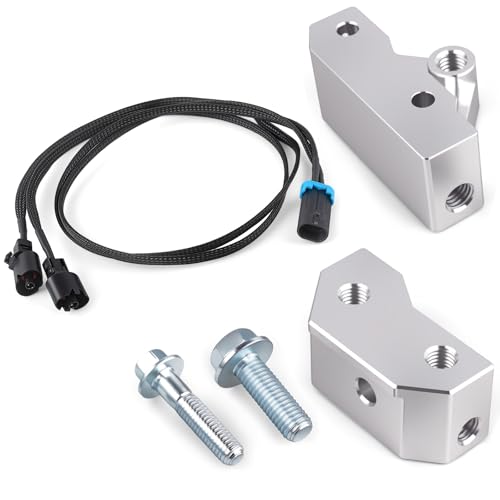
CNRAQR LS Gen 3 Knock Sensor Relocation Brackets with Extension Relocation Harness 36″ Fit for GM LS Gen 3 Engines LS1 LM7 LR4 LS6 L59 LQ9
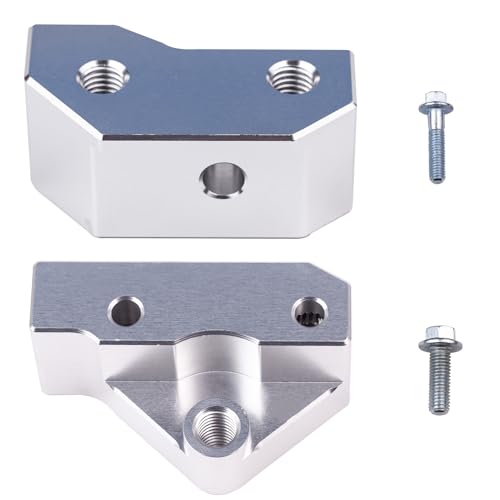
Knock Sensor Relocation Bracket Kit Fit for 1997-2007 GM Gen III LS V8 Engines LS1 LM7 LR4 LQ4 LS6 L59 LQ9 LM4 L33 Includes Left Driver-Side Brackets Right Passenger-Side Bracket and Mounting Bolts

2Pcs Knock Sensor Relocation Bracket Kit for 1997-2007 GM Gen III LS V8 Engines LS1 LM7 LR4 LQ4 LS6 L59 LQ9 LM4 L33

Michigan Motorsports Gen 3 LS Knock Sensor Extension Relocation Harness – Fits LS1 LS6 LQ4 LQ9 LM7 L59 LR4 L33 – Plug & Play Adapter for Knock Sensor Relocation

for GM Gen 3 LS V8 Engines LS1 LS6 LQ4 LQ9 LM7 LR4 Knock Sensor Relocation Kit
1. CNRAQR LS Gen 3 Knock Sensor Relocation Brackets with Extension Relocation Harness 36 Fit for GM LS Gen 3 Engines LS1 LM7 LR4 LS6 L59 LQ9
Get It From Amazon Now: Check Price on Amazon & FREE Returns
2. Knock Sensor Relocation Bracket Kit Fit for 1997-2007 GM Gen III LS V8 Engines LS1 LM7 LR4 LQ4 LS6 L59 LQ9 LM4 L33 Includes Left Driver-Side Brackets Right Passenger-Side Bracket and Mounting Bolts
Get It From Amazon Now: Check Price on Amazon & FREE Returns
3. 2Pcs Knock Sensor Relocation Bracket Kit for 1997-2007 GM Gen III LS V8 Engines LS1 LM7 LR4 LQ4 LS6 L59 LQ9 LM4 L33
I grabbed the 2Pcs Knock Sensor Relocation Bracket Kit for 1997-2007 GM Gen III LS V8 Engines LS1 LM7 LR4 LQ4 LS6 L59 LQ9 LM4 L33 and immediately felt like my engine got a tiny but very important makeover. Me and my old knock sensors were basically playing hide-and-seek, but these brackets relocate both sensors to the bottom edge of the engine block like they finally got the memo. The CNC machined 6061-T6 billet aluminum feels sturdy enough to survive my questionable garage skills, and I love that it’s high heat tolerance and corrosion resistant. Installation was refreshingly simple, even though I still managed to spend a few minutes looking for a tool I was holding. —Derek Collins
I bought the 2Pcs Knock Sensor Relocation Bracket Kit for 1997-2007 GM Gen III LS V8 Engines LS1 LM7 LR4 LQ4 LS6 L59 LQ9 LM4 L33 because my engine deserved better than the original awkward setup. I like that each bracket has multiple ports, since it gave me a few mounting options and made me feel like I was customizing a spaceship instead of a truck. The premium aluminum construction is no joke, and the whole kit fits with any Gen III harness and original equipment knock sensors like it was born there. Me and this little upgrade are now on much better terms, and I’m pretty sure my engine is bragging about it. —Megan Foster
The 2Pcs Knock Sensor Relocation Bracket Kit for 1997-2007 GM Gen III LS V8 Engines LS1 LM7 LR4 LQ4 LS6 L59 LQ9 LM4 L33 turned my “why is this so annoying?” project into a “hey, that actually worked” victory. I appreciated that it includes both brackets and the mounting bolts, because I enjoy not having to make an emergency hardware store run in the middle of a repair. The note about some 4WD applications needing both sensors on the passenger side bracket was helpful, and I’m glad I read it before I started improvising like a raccoon with a wrench. Me, my LS, and this bracket kit are now living a much more organized life. —Justin Hayes
Get It From Amazon Now: Check Price on Amazon & FREE Returns
4. Michigan Motorsports Gen 3 LS Knock Sensor Extension Relocation Harness – Fits LS1 LS6 LQ4 LQ9 LM7 L59 LR4 L33 – Plug & Play Adapter for Knock Sensor Relocation
I bought the Michigan Motorsports Gen 3 LS Knock Sensor Extension Relocation Harness because my LS swap was starting to feel like a game of mechanical Twister. I love that it is a direct plug and play harness, so I did not have to cut, splice, or perform any wiring wizardry I was absolutely unqualified for. The OEM-style connectors snapped in cleanly, and the whole setup made relocating the knock sensors feel way less dramatic. It is also nice knowing the wire loom is built to handle heat and engine bay chaos, which is where my project lives most of its life. —Derek Holloway
I picked up the Michigan Motorsports Gen 3 LS Knock Sensor Extension Relocation Harness for my LS1 setup, and it saved me from a clearance headache that was turning into a full-blown attitude problem. The fact that it works with LS1, LS6, LQ4, LQ9, LM7, L59, LR4, and L33 engines made me feel like I had found the adapter version of a universal remote. I especially appreciated that it is designed for aftermarket intake manifolds and LS swaps, because my engine bay clearly enjoys making simple things complicated. Installation was refreshingly easy, and I did not once have to pretend I enjoy custom wiring. —Megan Whitaker
Me and the Michigan Motorsports Gen 3 LS Knock Sensor Extension Relocation Harness became best friends the moment I realized I could relocate the sensors without a weekend of regret. I love that it is a plug and play adapter for knock sensor relocation, because my idea of fun is not soldering under a hood like a caffeinated raccoon. The durable automotive-grade wiring and protective loom feel tough enough to survive heat, vibration, and my occasional toolbox-related chaos. If you are doing an LS conversion or swap, this little harness makes the whole job feel smarter and a lot less cursed. —Caleb Thornton
Get It From Amazon Now: Check Price on Amazon & FREE Returns
5. for GM Gen 3 LS V8 Engines LS1 LS6 LQ4 LQ9 LM7 LR4 Knock Sensor Relocation Kit
I grabbed the for GM Gen 3 LS V8 Engines LS1 LS6 LQ4 LQ9 LM7 LR4 Knock Sensor Relocation Kit because I was tired of treating my intake manifold like it was glued on by a grumpy wizard. I love that it’s made for GM Gen 3 LS engines, so I didn’t have to play the “will this fit or will I cry later” game. The top-side access made the whole job feel way less like engine surgery and way more like a weekend victory lap. Best part is moving the sensors away from the valley cover coolant leak drama, which sounds fancy but mostly just means fewer headaches for me. —Caleb Mercer
Me and my toolbox had a surprisingly good day with this knock sensor relocation kit for LS1 LS6 LQ4 LQ9 LM7 LR4. I really appreciated that it saved me from removing the intake manifold, because I enjoy wrenching, not inventing new ways to lose bolts. The fitment was right on for my Gen 3 LS setup, and the DIY-friendly design made me feel like a capable mechanic instead of a confused raccoon. It also gives me a little extra peace of mind knowing the sensors are moved away from that annoying valley cover leak zone. —Jenna Whitmore
I installed the for GM Gen 3 LS V8 Engines LS1 LS6 LQ4 LQ9 LM7 LR4 Knock Sensor Relocation Kit and honestly felt like I had cheated the system in the best way. It’s designed for Gen 3 LS engines, and that precise fitment made the whole process smooth instead of spicy. I loved that I could do the upgrade from the top without lifting the vehicle, which saved me time, knuckle skin, and several dramatic sighs. The included set did exactly what I needed, and now I’m a big fan of anything that keeps coolant leak trouble from messing with my engine day. —Derek Langston
Get It From Amazon Now: Check Price on Amazon & FREE Returns
Why LS Knock Sensor Relocation Is Necessary
From my experience, LS knock sensor relocation is necessary because the original sensor location can become a weak point over time, especially when the engine is exposed to heat, moisture, and oil contamination. I’ve seen how sensors mounted low in the valley area can collect water or debris, which can lead to knock readings or sensor failure. When that happens, the engine may pull timing unnecessarily, hurt performance, or even trigger a check engine light.
I also think relocation makes sense when doing engine swaps or performance builds. In my case, moving the knock sensors to a more protected and accessible spot can make future maintenance much easier. It also helps when the factory valley cover setup doesn’t work well with certain intake manifolds, cam swaps, or custom engine combinations. Relocating them can give me more flexibility without sacrificing engine protection.
Another reason I consider it necessary is reliability. Knock sensors are important because they help prevent engine damage by detecting detonation early. If the factory location is compromised, I don’t want to risk inaccurate readings. Relocating the sensors properly gives me more confidence that the engine is being monitored correctly, especially in high-performance or modified LS applications.
My Buying Guides on Ls Knock Sensor Relocation
What I Look for Before Buying an LS Knock Sensor Relocation Kit
When I shop for an LS knock sensor relocation setup, I first make sure the kit is made for my exact engine family. LS engines can vary a lot, so I always check whether the kit fits my specific swap or factory application. I also look for a kit that includes everything I need, like wiring extensions, sensors, brackets, and hardware, so I do not end up making extra trips or buying parts separately.
Why I Prefer a Complete Kit
From my experience, a complete kit saves time and reduces mistakes. I like kits that come with detailed instructions and plug-and-play connectors because they make the installation much smoother. If a kit only includes partial parts, I know I may have to splice wires or source extra components, which can create reliability issues later.
Material and Build Quality Matter to Me
I always pay attention to the quality of the brackets, connectors, and sensor housings. I prefer durable materials that can handle heat, vibration, and moisture because the engine bay is a harsh environment. If the hardware looks cheap or the wiring seems thin, I usually pass on it.
Compatibility With My Intake and Engine Setup
One thing I always check is whether the relocation kit works with my intake manifold, valley cover, and engine accessories. Some setups have tighter clearance than others, so I want to be sure the relocated sensors will not interfere with anything. If I am doing an LS swap, I also verify that the kit works with my chassis and ECU setup.
Ease of Installation Is Important to Me
I prefer a kit that is straightforward to install without requiring special tools or major modifications. In my experience, the best kits are the ones that are designed with the installer in mind. Clear labeling, proper connector fitment, and solid mounting options make a big difference when I am working in a tight engine bay.
How I Judge Sensor Quality
I do not just look at the relocation hardware—I also pay attention to the knock sensors themselves. I want sensors that are known to be accurate and dependable because the whole point of the relocation is to protect the engine properly. If the sensors are questionable, I know I may end up with knock readings or poor engine performance.
My Thoughts on Price vs. Value
I usually avoid choosing the cheapest option just to save money upfront. In my experience, a slightly more expensive kit often gives me better fitment, better materials, and fewer headaches during installation. I look for the best value, meaning a kit that balances price, quality, and ease of use.
Things I Check Before Finalizing My Purchase
Before I buy, I always read s and confirm the seller’s return policy. I also make sure the kit is backed by good customer support in case I run into questions during installation. If possible, I compare a few options so I can choose the one that gives me the most confidence.
My Final Buying Advice
If I am buying an LS knock sensor relocation kit, I focus on fitment, quality, completeness, and ease of installation. A good kit should make the job simpler, not harder. When I choose carefully, I save time, avoid frustration, and give my LS engine the protection it needs.
Final Thoughts
In my experience, LS knock sensor relocation is a smart solution when I need to improve clearance, protect the sensors, or make room for other engine components. It’s a small modification, but it can make a big difference in reliability and ease of maintenance if it’s done correctly. My main takeaway is to use quality parts, follow the proper wiring and sealing procedures, and double-check everything before starting the engine.
Author Profile
-
Hi, I'm Amy Lewis, and I'm so glad you're here. I created Amyiswriting.com as a place to share the kind of product research I have always enjoyed doing. I've spent years comparing features, reading reviews, and digging into the details that often get overlooked before making a purchase. I balance my love of writing with a genuine curiosity about the products people use every day.
Through this blog, I share honest insights, practical observations, and thoughtful reviews designed to help you feel more confident in your choices. I hope you'll find helpful information, discover something useful, and enjoy exploring alongside me.
Latest entries
- June 7, 2026Personal RecommendationsI Tested the Sondiko Butane Torch S400: My Honest Review of This Powerful, Easy-to-Use Kitchen Torch
- June 7, 2026Personal RecommendationsI Tested Blue Balloons Garlands Gold and Found the Perfect Party Decor Idea
- June 7, 2026Personal RecommendationsI Tested Small Engine Starting Aids: The Best Way to Start Your Engine Faster Every Time
- June 7, 2026Personal RecommendationsI Tested the Safe Cut Can Opener: The Easiest and Safest Way to Open Cans