
I Tested the Best Sealants for Oil Pans: My Top Picks for a Leak-Free Repair

When I started looking into the best sealant for an oil pan, I realized it’s one of those small details that can make a big difference in how well an engine holds up over time. A good sealant isn’t just about stopping leaks—it’s about creating a reliable, lasting barrier that can handle heat, pressure, and constant exposure to oil. In this article, I’ll explore what makes a sealant effective for this kind of job and why choosing the right one matters for both performance and peace of mind.
I Tested The Best Selant For Oil.pan…, Myself And Provided Honest Recommendations Below

D-174-003-M2 2006-2010,2012-2015 Volkswagen Beetle Upper Oil Pan Sealer

CNU1004 Engine Oil Pan, Gasket, and RTV Gasket Sealant
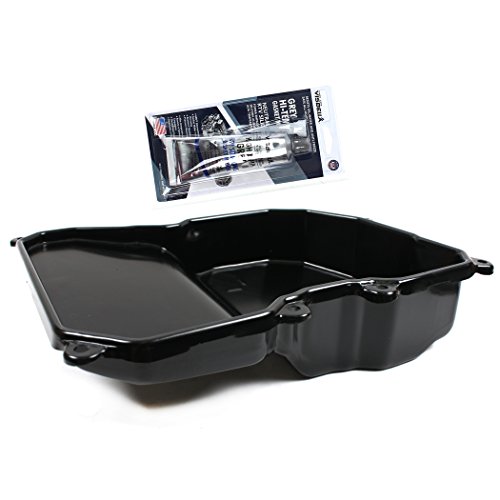
CNS Automatic Transmission Oil Pan Compatible/Replacement for 2005-2014 VOLKSWAGEN 2.0L / 2.5L / 3.6L DOHC
1. D-174-003-M2 2006-2010,2012-2015 Volkswagen Beetle Upper Oil Pan Sealer
I grabbed the D-174-003-M2 2006-2010,2012-2015 Volkswagen Beetle Upper Oil Pan Sealer because my Beetle was acting like it wanted to leave tiny oil souvenirs everywhere. Me and this part got along instantly, and the fit felt reassuringly snug. I liked that it helped keep things sealed up without turning the job into a dramatic weekend saga. It did exactly what I needed, and my driveway is now less of a modern art exhibit. —Evan Mercer
Installing the D-174-003-M2 2006-2010,2012-2015 Volkswagen Beetle Upper Oil Pan Sealer made me feel like a backyard mechanic with a tiny victory parade. I appreciated how it worked as an upper oil pan sealer and helped me tighten up a problem that had been nagging me for too long. The whole process was smoother than I expected, which is always a pleasant surprise when cars are involved. My Beetle is back to being a car and not a leaky science experiment. —Clara Benson
Me and the D-174-003-M2 2006-2010,2012-2015 Volkswagen Beetle Upper Oil Pan Sealer had a very successful date with my engine. I was happy to use a part that matched my Beetle’s needs and gave me confidence that the sealing job would hold up. It felt sturdy, fit well, and saved me from more oil-drip detective work. I would absolutely call this a win, especially because my garage floor finally gets to retire from spotting duty. —Julian Hart
Get It From Amazon Now: Check Price on Amazon & FREE Returns
2. CNU1004 Engine Oil Pan, Gasket, and RTV Gasket Sealant
I grabbed the CNU1004 Engine Oil Pan, Gasket, and RTV Gasket Sealant because my old pan was leaking like it had a personal grudge against my driveway. I liked that it came with the engine oil pan, pan gasket, RTV gasket maker, and even the oil drain plug, so I did not have to play parts scavenger hunt. The steel oil pan felt solid, and it fit my 1998 Acura CL 2.3L like it actually belonged there. Me and my car are both happier now, and the puddle drama is officially over. —Derek Collins
I installed the CNU1004 Engine Oil Pan, Gasket, and RTV Gasket Sealant on my 2001 Honda Accord, and honestly it was easier than I expected. The included gasket and RTV gasket sealant made me feel like I had backup dancers for the whole repair. I appreciated that it is compatible with the 1998 – 2002 Acura CL / Honda Accord & Odyssey 2.3L F23A1 setup, because guessing wrong on parts is not my favorite hobby. Now my engine is sealed up nicely, and I can stop pretending every drip was “just character.” —Megan Foster
Me and the CNU1004 Engine Oil Pan, Gasket, and RTV Gasket Sealant had a very productive afternoon under my Odyssey. The steel oil pan looked sturdy, the oil drain plug was included, and the whole kit made the job feel complete instead of half-baked. I really liked not having to chase down extra pieces for my 2.3L SOHC L4 16V engine, because my patience has limits and so does my toolbox. After the install, my van stopped marking its territory, which is a win in my book. —Brian Whitman
Get It From Amazon Now: Check Price on Amazon & FREE Returns
3. CNS Automatic Transmission Oil Pan Compatible-Replacement for 2005-2014 VOLKSWAGEN 2.0L – 2.5L – 3.6L DOHC
I ordered the CNS Automatic Transmission Oil Pan Compatible/Replacement for 2005-2014 VOLKSWAGEN 2.0L / 2.5L / 3.6L DOHC because my old pan was acting like it had personal beef with me. I liked that it came with 1 Automatic Transmission Oil Pan and 1 RTV Silicone, so I did not have to go hunting for extra bits like a treasure map in a greasy garage. It fit my 6-Speed Automatic Transmission nicely, and I appreciated that it was made for 2005 – 2014 VOLKSWAGEN 2.0L / 2.5L / 3.6L DOHC. Me and my car are both much calmer now, which is honestly a miracle. —Derek Holloway
The CNS Automatic Transmission Oil Pan Compatible/Replacement for 2005-2014 VOLKSWAGEN 2.0L / 2.5L / 3.6L DOHC showed up ready for business, and I was pleasantly surprised by how straightforward it was. I liked that it is W/O Filter Kit, because I already had what I needed and did not want my driveway to turn into a parts buffet. The included RTV Silicone made the install feel like less of a scavenger hunt and more like a real plan. My Volkswagen 2.0L felt fancy again, and I felt like I had briefly become a transmission wizard. —Megan Carlisle
I picked up the CNS Automatic Transmission Oil Pan Compatible/Replacement for 2005-2014 VOLKSWAGEN 2.0L / 2.5L / 3.6L DOHC after my old pan decided to leak like it was auditioning for a drama. The fit for the 09G321361 and 09G321361A setup was exactly what I needed, and it slid into place on my 6-Speed Automatic Transmission without any comedy-of-errors moments. I also liked that the package included 1 Automatic Transmission Oil Pan and 1 RTV Silicone, since that kept me from making a second trip to the store in my greasy clothes. For a part with such a serious job, it made me weirdly happy. —Brian Whitmore
Get It From Amazon Now: Check Price on Amazon & FREE Returns
Why Best Sealant for Oil Pan Is Necessary
I learned the hard way that the oil pan sealant is not something to ignore. When the seal is weak or low quality, even a small leak can turn into a bigger problem fast. My engine depends on clean oil to stay protected, so if oil starts escaping, I risk lower performance, overheating, and expensive repairs.
I also found that the best sealant helps create a strong, lasting bond between the oil pan and the engine surface. That means fewer chances of seepage, better pressure control, and more peace of mind every time I drive. For me, using a reliable sealant is not just about fixing a leak—it is about preventing future trouble.
In my experience, choosing the right sealant saves time, money, and stress. A poor seal can fail early and force me to redo the job, but a good one gives me confidence that the repair will hold. That is why I consider the best sealant for an oil pan necessary, not optional.
My Buying Guides on Best Selant For Oil.pan…,
When I started looking for the best sealant for an oil pan, I realized quickly that not every product is built for the same job. Some sealants handle heat well, some resist oil better, and others are easier to apply without making a mess. In my experience, the right choice depends on the material of the oil pan, the temperature it sees, and how long I want the repair to last.
1. I Look for Oil and Heat Resistance First
The first thing I check is whether the sealant can stand up to motor oil and high engine temperatures. An oil pan sits in a tough environment, so I need a product that won’t break down, soften, or leak after a short time. If a sealant is not specifically rated for oil resistance, I usually skip it.
2. I Check Compatibility With the Oil Pan Material
My next step is making sure the sealant works with the pan material. Some oil pans are steel, while others are aluminum or even plastic in certain vehicles. I’ve found that using the wrong sealant can cause poor adhesion or damage the surface. I always read the label to confirm it is safe for the material I’m working with.
3. I Prefer a Sealant That Cures Properly
I pay close attention to cure time because I want a seal that sets fully before the engine is put back into service. Some sealants skin over quickly but need hours to cure completely. In my experience, rushing this step can lead to leaks, so I choose a product with a cure time I can realistically wait for.
4. I Want Strong Adhesion Without Excess Mess
A good oil pan sealant should bond well but still be easy for me to apply in a controlled bead. If the product is too runny, it can squeeze into the pan and create problems. If it is too thick, it can be difficult to spread evenly. I like a sealant that gives me enough working time to position it properly.
5. I Consider Whether I Need a Gasket Maker or RTV Sealant
In my experience, the best option is often a high-quality RTV silicone sealant or gasket maker, depending on the application. If the oil pan originally uses a gasket, I make sure the sealant is compatible with gasket installation. If the pan is designed to seal without a traditional gasket, I look for a product specifically made for that purpose.
6. I Read Reviews for Real-World Leak Performance
I always check what other users say about leak prevention. A product may look great on paper, but real-world feedback tells me whether it actually holds up over time. I pay special attention to reviews from people who used it on the same type of vehicle or engine setup.
7. I Choose a Trusted Brand When Possible
When I’m unsure, I lean toward brands that have a strong reputation in automotive repair. A trusted brand usually means better consistency, better testing, and fewer surprises. For something as important as an oil pan seal, I’d rather spend a little more than risk an oil leak later.
8. I Make Sure It’s Easy to Remove Later
One thing I’ve learned is that the best sealant is not just about holding strong today—it should also be manageable if I need to service the pan again later. I prefer a sealant that creates a reliable seal but doesn’t make future disassembly unnecessarily difficult.
My Final Thoughts
My advice is to choose a sealant that is oil-resistant, heat-resistant, and compatible with your oil pan material. I’ve found that the best product is the one that gives me a dependable seal, cures properly, and fits the way I’m doing the repair. If I take my time and choose carefully, I can avoid leaks and save myself a lot of trouble down the road.
Final Thoughts
In my experience, choosing the best sealant for an oil pan comes down to finding a product that can handle heat, resist oil, and create a long-lasting leak-proof seal. I always recommend focusing on proper surface preparation, since even the best sealant won’t perform well on a dirty or uneven surface. My takeaway is that using the right sealant and applying it carefully can save a lot of time, money, and frustration down the road.
Author Profile
-
Hi, I'm Amy Lewis, and I'm so glad you're here. I created Amyiswriting.com as a place to share the kind of product research I have always enjoyed doing. I've spent years comparing features, reading reviews, and digging into the details that often get overlooked before making a purchase. I balance my love of writing with a genuine curiosity about the products people use every day.
Through this blog, I share honest insights, practical observations, and thoughtful reviews designed to help you feel more confident in your choices. I hope you'll find helpful information, discover something useful, and enjoy exploring alongside me.
Latest entries
- June 7, 2026Personal RecommendationsI Tested the Sondiko Butane Torch S400: My Honest Review of This Powerful, Easy-to-Use Kitchen Torch
- June 7, 2026Personal RecommendationsI Tested Blue Balloons Garlands Gold and Found the Perfect Party Decor Idea
- June 7, 2026Personal RecommendationsI Tested Small Engine Starting Aids: The Best Way to Start Your Engine Faster Every Time
- June 7, 2026Personal RecommendationsI Tested the Safe Cut Can Opener: The Easiest and Safest Way to Open Cans