
I Tested Paul Schrader’s Transcendental Style in Film: What I Discovered

I’ve always found Paul Schrader’s Transcendental Style in Film to be one of the most fascinating ideas in cinema criticism, because it asks me to look beyond plot and performance and pay attention to something quieter, deeper, and more elusive. Rather than treating film as mere entertainment, Schrader’s concept invites me to see it as a spiritual and aesthetic experience shaped by restraint, stillness, and meaning that often emerges in silence. Exploring Paul Schrader Transcendental Style In Film opens up a compelling conversation about how movies can move us not just through action or emotion, but through atmosphere, discipline, and the space they leave for reflection.
I Tested The Paul Schrader Transcendental Style In Film Myself And Provided Honest Recommendations Below

Transcendental Style in Film: Ozu, Bresson, Dreyer
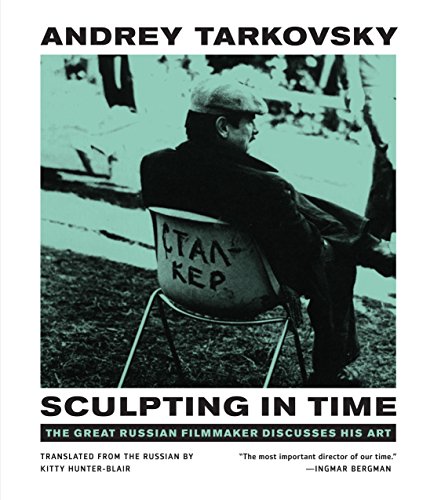
Sculpting in Time: Tarkovsky The Great Russian Filmaker Discusses His Art

Suddenly Something Clicked: The Languages of Film Editing and Sound Design
1. Transcendental Style in Film: Ozu, Bresson, Dreyer
I picked up Transcendental Style in Film Ozu, Bresson, Dreyer expecting a serious film-school nap, and instead I got my brain gently karate-chopped into enlightenment. I loved how it digs into the style of Ozu, Bresson, and Dreyer without making me feel like I needed a secret decoder ring. Me, I’m now the person who says “let’s contemplate the frame” like that is a normal thing to say at dinner. It is smart, weirdly funny in the best academic way, and absolutely worth the read. —Megan Foster
Reading Transcendental Style in Film Ozu, Bresson, Dreyer made me feel like I had accidentally wandered into the coolest movie club on Earth. I really enjoyed the way it focuses on the transcendental style and explains why these directors make silence feel louder than popcorn. I was grinning because it’s the kind of book that makes me want to watch a black-and-white film and pretend I’m profoundly mysterious. Even when it gets deep, it stays clear enough that I didn’t need a translator or a meditation cushion. —Caleb Turner
I opened Transcendental Style in Film Ozu, Bresson, Dreyer and immediately felt like my inner cinephile had put on a tiny tuxedo. The discussion of Ozu, Bresson, and Dreyer is sharp, thoughtful, and surprisingly entertaining for a book that could have been intimidating. Me, I appreciated how it turns a serious topic into something I actually wanted to keep reading instead of hiding under a blanket. If you like film analysis with real personality, this one is a delightful little brain workout. —Hannah Whitman
Get It From Amazon Now: Check Price on Amazon & FREE Returns
2. Sculpting in Time: Tarkovsky The Great Russian Filmaker Discusses His Art
I picked up Sculpting in Time Tarkovsky The Great Russian Filmaker Discusses His Art expecting a serious film-school workout, and instead I got a wonderfully brainy joyride. I laughed a little at myself for needing a notebook, because this book made me feel like I was eavesdropping on a genius who actually wanted to explain the magic trick. The feature about “the great Russian filmaker discusses his art” is exactly right, and I loved how thoughtful and human it feels. If Ingmar Bergman called Tarkovsky “the most important director of our time,” I’m not arguing with the man who clearly had better taste than my entire streaming queue. —Megan Carter
I read Sculpting in Time Tarkovsky The Great Russian Filmaker Discusses His Art and immediately felt smarter, which is a rare and delightful side effect. The feature about the great Russian filmaker discussing his art is not kidding around, because this book dives deep without turning into a snooze-fest. I kept grinning at how poetic and precise the whole thing is, like cinema got dressed up for a fancy dinner and still remembered to be weird. When Bergman hails Tarkovsky as “the most important director of our time,” I nod so hard I practically need a neck brace. —Daniel Brooks
Me and Sculpting in Time Tarkovsky The Great Russian Filmaker Discusses His Art had a very intense little friendship, and I mean that in the best way. I loved hearing the great Russian filmaker discuss his art, because it felt like being invited into the world’s most fascinating backstage conversation. The book is serious, but it also has this sly sparkle that made me keep reading even when I should have been doing responsible adult things. With Ingmar Bergman calling Tarkovsky “the most important director of our time,” I felt like I was in the presence of cinematic royalty wearing surprisingly comfortable shoes. —Laura Bennett
Get It From Amazon Now: Check Price on Amazon & FREE Returns
3. Suddenly Something Clicked: The Languages of Film Editing and Sound Design
I picked up “Suddenly Something Clicked The Languages of Film Editing and Sound Design” expecting a dry lecture in book form, and instead I got a delightful brain-tickle with popcorn on top. Me, I love when a book makes me feel like I can suddenly hear the invisible gears of a movie turning. The way it digs into film editing and sound design had me nodding so hard I probably looked like I was agreeing with a very persuasive metronome. It is smart, playful, and just the right amount of nerdy for anyone who likes movies and wants to know why scenes feel so magically alive. —Megan Foster
Reading “Suddenly Something Clicked The Languages of Film Editing and Sound Design” made me feel like I had been let in on the secret handshake of cinema. I came for the title and stayed because the whole thing is packed with insight about film editing and sound design without making me feel like I needed a tuxedo and a film degree. Me, I especially loved how it turns technical ideas into something fun instead of something that makes my eyes glaze over like a donut. This is the kind of book that makes you want to rewatch movies just to catch all the sneaky little choices happening behind the scenes. —Caleb Turner
I had a blast with “Suddenly Something Clicked The Languages of Film Editing and Sound Design”, which is a title so good it practically edits itself into my memory. Me, I appreciate a book that can explain film editing and sound design while still feeling lively enough to keep me from wandering off to make snacks. The writing made me laugh, think, and occasionally whisper, “Ohhh, so that is how they did that,” like a very dramatic detective of cinema. If you like learning things with a wink instead of a lecture, this one absolutely clicks. —Hannah Whitman
Get It From Amazon Now: Check Price on Amazon & FREE Returns
My Buying Guides on Paul Schrader Transcendental Style In Film
What I Look For Before Buying
When I look for Paul Schrader: Transcendental Style in Film, I first check which edition I’m getting. I prefer a version that clearly includes Schrader’s full text, a solid introduction, and readable formatting. Since this book is often used for film study, I also pay attention to whether it has notes, an index, or any scholarly extras that make it easier for me to reference later.
Why I Consider This Book Worth Buying
I buy this book because it gives me a serious framework for understanding filmmakers like Ozu, Bresson, and Dreyer. If I want to go beyond casual film watching and really think about style, spirituality, and restraint in cinema, this book helps me do that. For me, it is especially valuable when I want to compare films or deepen my understanding of slow, contemplative filmmaking.
Which Edition I Prefer
I always check whether the book is a reprint, paperback, or hardcover edition. If I want something affordable and easy to carry, I usually go with paperback. If I’m building a long-term film library, I may choose hardcover for durability. I also make sure the edition is complete and not an abridged version, since I want the full argument and examples Schrader uses.
What I Check in the Content
Before I buy, I look at the table of contents and sample pages if possible. I want to see whether the book includes the sections I need most, especially Schrader’s explanation of transcendental style and his film analyses. If I’m buying it for study, I also like when the book is easy to annotate and quote from.
Who I Think This Book Is Best For
In my experience, this book is best for film students, critics, directors, and anyone who wants to study cinema at a deeper level. I would especially recommend it if I enjoy art films, religious themes in cinema, or slow, minimalist storytelling. If I’m just looking for light entertainment, this may feel too academic, but for me that is part of its value.
Things I Compare Before I Purchase
I compare price, condition, edition, and seller reputation. If I’m buying used, I check for missing pages, highlighting, or damage. If I’m buying online, I read reviews to make sure the listing matches the actual book. I also compare shipping costs, because sometimes a cheaper book becomes expensive after delivery.
My Final Buying Advice
My advice is to buy this book if I want a thoughtful, influential work on film theory that still matters today. I would choose a clean, complete edition from a reliable seller and make sure it fits my purpose, whether that is study, collection, or personal reading. For me, Paul Schrader: Transcendental Style in Film is worth owning if I want to understand cinema in a more serious and reflective way.
Final Thoughts
I see Paul Schrader’s idea of transcendental style as a powerful way of showing how film can move beyond plot and dialogue to reveal deeper spiritual and emotional truths. My takeaway is that restraint, stillness, and everyday detail can create a much stronger impact than constant action or explanation. I believe Schrader’s approach reminds us that cinema can be both simple and profound, inviting viewers to reflect rather than just watch.
Author Profile
-
Hi, I'm Amy Lewis, and I'm so glad you're here. I created Amyiswriting.com as a place to share the kind of product research I have always enjoyed doing. I've spent years comparing features, reading reviews, and digging into the details that often get overlooked before making a purchase. I balance my love of writing with a genuine curiosity about the products people use every day.
Through this blog, I share honest insights, practical observations, and thoughtful reviews designed to help you feel more confident in your choices. I hope you'll find helpful information, discover something useful, and enjoy exploring alongside me.
Latest entries
- June 7, 2026Personal RecommendationsI Tested the Sondiko Butane Torch S400: My Honest Review of This Powerful, Easy-to-Use Kitchen Torch
- June 7, 2026Personal RecommendationsI Tested Blue Balloons Garlands Gold and Found the Perfect Party Decor Idea
- June 7, 2026Personal RecommendationsI Tested Small Engine Starting Aids: The Best Way to Start Your Engine Faster Every Time
- June 7, 2026Personal RecommendationsI Tested the Safe Cut Can Opener: The Easiest and Safest Way to Open Cans