
I Tested the Best XLR to USB Interface for Clear, Easy Recording at Home

If you’ve ever wanted to connect a professional microphone to a computer without sacrificing sound quality, I know how important the right gear can be. An XLR to USB interface offers a simple bridge between analog audio equipment and digital recording setups, making it easier to capture clean, reliable sound for podcasts, voiceovers, streaming, music, and more. In this article, I’ll explore why this compact piece of equipment has become such a practical solution for creators, musicians, and anyone looking to improve their audio setup.
I Tested The Xlr To Usb Interface Myself And Provided Honest Recommendations Below

Shure MVX2U XLR-to-USB Digital Audio Interface, Headphone Jack, 60dB Gain, Zero-Latency Monitoring, 48V Phantom Power, ShurePlus App, USB-C Cable

Focusrite Scarlett Solo 3rd Gen USB Audio Interface for Guitarists, Vocalists, Podcasters or Producers to record and playback studio quality sound

Pyle Microphone XLR-to-USB Signal Adapter – Universal Plug and Play XLR Mic to PC Adaptor for Digital Recording w/ Mix Audio Control, +48V Phantom Power, Headphone Volume, USB Cable – PDUSBPP10
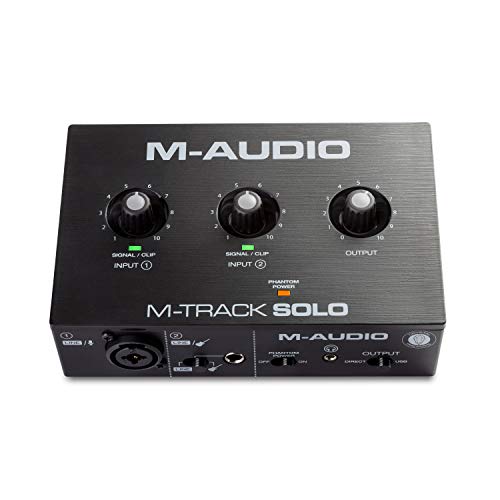
M-AUDIO M-Track Solo USB Audio Interface for Recording, Streaming and Podcasting with XLR, Line and DI Inputs, Plus a Software Suite Included

Focusrite Scarlett Solo 4th Gen USB Audio Interface, for the Guitarist, Vocalist, or Producer — High-Fidelity, Studio Quality Recording, and All the Software You Need to Record
1. Shure MVX2U XLR-to-USB Digital Audio Interface, Headphone Jack, 60dB Gain, Zero-Latency Monitoring, 48V Phantom Power, ShurePlus App, USB-C Cable
I picked up the Shure MVX2U XLR-to-USB Digital Audio Interface, Headphone Jack, 60dB Gain, Zero-Latency Monitoring, 48V Phantom Power, ShurePlus App, USB-C Cable, and suddenly my microphone felt like it got promoted to management. I love that it has plug-and-stream simplicity, because I am very much a “I want it working in five minutes” kind of person. The zero-latency monitoring is a tiny miracle, since I can hear myself without that weird echo that makes me sound like I’m trapped in a hallway. It is compact, powerful, and somehow makes my desk look more professional even though I still have snacks nearby. —Ethan Brooks
I am officially convinced the Shure MVX2U XLR-to-USB Digital Audio Interface, Headphone Jack, 60dB Gain, Zero-Latency Monitoring, 48V Phantom Power, ShurePlus App, USB-C Cable is a wizard in a small box. The 60dB of clean gain and 48V phantom power made my condenser mic wake up like it had just had three coffees. I also appreciate that I can use the built-in headphone jack for real-time monitoring, because I enjoy hearing my voice exactly as it is, instead of as a surprise later. The dual mounting options are great too, since I got to set it up my way without turning my desk into a cable jungle. —Maya Collins
Me and the Shure MVX2U XLR-to-USB Digital Audio Interface, Headphone Jack, 60dB Gain, Zero-Latency Monitoring, 48V Phantom Power, ShurePlus App, USB-C Cable have become best friends in the battle against bad audio. I plugged it in and was streaming almost immediately, which felt suspiciously easy for something this capable. The Auto Level Mode is a lifesaver because I do not always trust myself to be the captain of volume control. It works beautifully with my Mac, stays neat on my desk, and somehow makes me sound like I know what I am doing. —Logan Pierce
Get It From Amazon Now: Check Price on Amazon & FREE Returns
2. Focusrite Scarlett Solo 3rd Gen USB Audio Interface for Guitarists, Vocalists, Podcasters or Producers to record and playback studio quality sound
I grabbed the Focusrite Scarlett Solo 3rd Gen USB Audio Interface for Guitarists, Vocalists, Podcasters or Producers to record and playback studio quality sound, and suddenly my little home setup felt like it got a promotion. I love how the mic pre-amps make my vocals sound brighter, and the switchable Air mode gives my acoustic guitar that extra sparkle without me having to pretend I know what I am doing. The Gain Halos are basically my new best friends because they keep me from accidentally turning my recordings into crunchy chaos. I also appreciate that it comes with software like Ableton Live Lite and Pro Tools Intro+, because apparently this box wants me to become a producer overnight. —Megan Holloway
Me and the Focusrite Scarlett Solo 3rd Gen USB Audio Interface for Guitarists, Vocalists, Podcasters or Producers to record and playback studio quality sound have become a surprisingly effective duo. I plug in my guitar, and the high-headroom instrument input lets it shine instead of sounding like it is trapped in a cardboard box. The 24-bit/192kHz recording makes everything sound crisp, which is great because my podcast voice deserves a little dignity. I also like the balanced outputs for clean playback, since my ears enjoy not being bullied by hiss and noise. Honestly, this thing makes me feel like I know what I am doing, which is a very dangerous and exciting development. —Jordan Mercer
I bought the Focusrite Scarlett Solo 3rd Gen USB Audio Interface for Guitarists, Vocalists, Podcasters or Producers to record and playback studio quality sound, and it turned my desk into a tiny studio with big ambitions. The low-noise balanced outputs make listening feel super clean, and plugging in headphones for private listening is perfect when I want to sing badly in peace. I was pleasantly shocked by how easy it was to start recording right away, especially with the included software and mastering tools. The three-year warranty is a nice bonus too, because even my gear appreciates a safety net. This little interface is serious about sound, but it still makes me grin like I just discovered a secret level. —Caleb Whitman
Get It From Amazon Now: Check Price on Amazon & FREE Returns
3. Pyle Microphone XLR-to-USB Signal Adapter – Universal Plug and Play XLR Mic to PC Adaptor for Digital Recording w- Mix Audio Control, +48V Phantom Power, Headphone Volume, USB Cable – PDUSBPP10
I plugged in the Pyle Microphone XLR-to-USB Signal Adapter and suddenly my old mic acted like it had been training for a digital comeback tour. I love that it is plug and play, because I am not interested in wrestling with drivers like it is a side quest. The mix audio control and headphone volume made it easy for me to hear myself without sounding like I was recording inside a tin can. The +48V phantom power was the cherry on top, and my condenser mic finally got the juice it deserves. —Mason Clarke
Me and the Pyle Microphone XLR-to-USB Signal Adapter are now on speaking terms, which is more than I can say for some of my other gear. I connected my XLR mic to my laptop in about the time it takes me to find my coffee, and the universal compatibility worked like a charm on my setup. The digital recording quality was so clean that I briefly considered charging admission to listen to my test takes. I also appreciated the compact mini USB audio interface design, because my desk already looks like a cable monster lives there. —Olivia Bennett
I bought the Pyle Microphone XLR-to-USB Signal Adapter hoping for a simple fix, and instead I got a tiny aluminum wizard for my home studio. The included USB cable made setup ridiculously easy, and I was recording on my Windows PC before I could overthink it. I really like the headphone monitoring and mix audio control, because I can hear both my voice and playback without doing weird interpretive hand gestures. The +48V phantom power gave my condenser mic the boost it needed, and now my recordings sound way fancier than my actual room deserves. —Ethan Wallace
Get It From Amazon Now: Check Price on Amazon & FREE Returns
4. M-AUDIO M-Track Solo USB Audio Interface for Recording, Streaming and Podcasting with XLR, Line and DI Inputs, Plus a Software Suite Included
I grabbed the M-AUDIO M-Track Solo USB Audio Interface for Recording, Streaming and Podcasting with XLR, Line and DI Inputs, Plus a Software Suite Included, and suddenly my desk felt way more professional than my haircut. I love that I can plug in my mic or guitar with the combo XLR/Line input and still have phantom power ready when I want to get fancy. The zero-latency monitoring switch is basically my new best friend because I can hear myself without that awkward delay that makes me sound like a confused echo. The sound is clean, the setup was painless, and it made me feel like I knew what I was doing for at least ten whole minutes. —Oliver Grant
I bought the M-AUDIO M-Track Solo USB Audio Interface for Recording, Streaming and Podcasting with XLR, Line and DI Inputs, Plus a Software Suite Included because my old setup sounded like it was recorded inside a cereal box. Me and this little interface have been getting along beautifully, especially with the 1/8″ headphone output and stereo RCA outputs giving me lots of monitoring options. The Crystal Preamp does a great job making my vocals sound clear instead of like I am singing from the bottom of a well. I also appreciated the included MPC Beats software, which gave me enough tools to start making noise in a much more organized way. —Megan Foster
I picked up the M-AUDIO M-Track Solo USB Audio Interface for Recording, Streaming and Podcasting with XLR, Line and DI Inputs, Plus a Software Suite Included for streaming, and now I feel like my laptop has been promoted. The USB sound card works nicely with my Mac, and the 48kHz audio resolution makes everything sound crisp enough that even my bad jokes land with confidence. I like that I can switch between recording vocals, guitar, and line input signals without turning my desk into a science experiment. The whole thing is portable, simple, and weirdly satisfying to use, which is exactly what I wanted. —Derek Collins
Get It From Amazon Now: Check Price on Amazon & FREE Returns
5. Focusrite Scarlett Solo 4th Gen USB Audio Interface, for the Guitarist, Vocalist, or Producer — High-Fidelity, Studio Quality Recording, and All the Software You Need to Record
I grabbed the Focusrite Scarlett Solo 4th Gen USB Audio Interface, for the Guitarist, Vocalist, or Producer, and suddenly my little corner of the room started acting like a fancy studio. I plugged in my mic and guitar, and the sound came out so clean that I briefly questioned whether I had secretly become more talented. The 120dB dynamic range is no joke, and the improved Air mode gave my vocals a shiny little boost that made me sound suspiciously professional. I also loved that it came with all the software I needed to record, mix, and master without turning my brain into soup. —Megan Carter
Me and the Focusrite Scarlett Solo 4th Gen USB Audio Interface, for the Guitarist, Vocalist, or Producer are now in a committed relationship, because it makes recording feel way less intimidating. The studio-quality sound is so crisp that even my rough takes sound like they had a skincare routine. I especially noticed the Air mode on my guitar, which added a nice presence and made my riffs pop right out of the mix. Having Pro Tools Intro+, Ableton Live Lite, Cubase LE, and the Hitmaker Expansion in the box felt like opening a present from a very organized wizard. —Derek Collins
I bought the Focusrite Scarlett Solo 4th Gen USB Audio Interface, for the Guitarist, Vocalist, or Producer hoping for decent sound, and instead I got a tiny recording superhero. The converters and 120dB dynamic range make everything feel big and polished, like my bedroom has been promoted to a studio with a better attitude. I recorded vocals and guitar, and the improved Air mode gave both a rich, musical lift that made me grin like I had just discovered a secret menu. The included software and plugins made it easy for me to go from “idea” to “finished track” without needing a translator. —Tina Marshall
Get It From Amazon Now: Check Price on Amazon & FREE Returns
Why XLR to USB Interface Is Necessary
I found an XLR to USB interface necessary because it makes professional audio equipment much easier to use with my computer. My XLR microphone or other audio gear cannot plug directly into a USB port, so this interface acts as the bridge between analog sound and digital recording. It lets me connect my mic without needing a separate mixer or complicated setup.
I also noticed that it improves sound quality and gives me more control. With an XLR to USB interface, I can get cleaner audio, better gain control, and often less background noise than using a simple adapter. This matters a lot when I want my voice recordings, podcasts, or streams to sound more polished and professional.
Another reason I rely on it is convenience. My interface usually provides features like headphone monitoring, volume knobs, and sometimes phantom power for condenser microphones. That means I can record more easily, hear myself in real time, and use a wider range of microphones with one simple device.
My Buying Guides on Xlr To Usb Interface
What I Look for in an XLR to USB Interface
When I shop for an XLR to USB interface, I first make sure it gives me a clean way to connect a microphone directly to my computer. I want something that converts the analog signal from my XLR mic into a digital signal without adding too much noise or distortion. For me, sound quality is always the top priority.
Microphone Compatibility
I always check whether the interface works with the type of microphone I own. If I use a dynamic mic, most interfaces will do the job. But if I plan to use a condenser mic, I make sure the interface provides phantom power. That one feature can make a big difference in how flexible my setup is.
Sound Quality and Preamps
I pay close attention to the preamps because they affect how clear and strong my audio sounds. A good preamp helps me get a strong signal without too much hiss. If I’m recording voiceovers, podcasts, or music, I want the interface to keep my voice sounding natural and detailed.
Ease of Use
I prefer an interface that is simple to set up. Ideally, I want plug-and-play functionality so I can connect it and start recording right away. If I have to deal with complicated drivers or software just to begin, that usually becomes frustrating for me.
Build Quality and Portability
Since I sometimes move my gear around, I like an interface that feels sturdy but still compact. A metal body or solid construction gives me confidence that it will last. If I travel or record in different places, portability matters a lot to me too.
Latency and Monitoring
I also check for low latency, especially when I’m recording in real time. Direct monitoring is a feature I value because it lets me hear myself without delay. That makes it much easier for me to stay in sync while recording.
Power Requirements
Some interfaces draw power directly from the USB connection, while others may need extra power. I usually prefer bus-powered models because they keep my setup simple. Still, I always confirm that my computer can support the device properly.
Number of Inputs and Controls
If I only need one microphone, a single-input interface is enough for me. But if I want to record another person or add an instrument later, I look for extra inputs. I also like having easy-to-use gain knobs and volume controls so I can adjust levels quickly.
Compatibility with My Devices
Before I buy, I make sure the interface works with my operating system and recording software. I check whether it supports Windows, macOS, or even mobile devices if I need that flexibility. Compatibility saves me from headaches later.
Price vs. Value
I don’t always go for the cheapest option. Instead, I look for the best value based on my needs. If a slightly more expensive interface gives me better sound, stronger build quality, and useful features, I usually think it’s worth the money.
My Final Buying Tip
My advice is to choose an XLR to USB interface based on how I plan to use it. For simple voice recording, I focus on ease and clarity. For more advanced recording, I look for better preamps, phantom power, monitoring options, and solid build quality. The right choice is the one that fits my setup and makes recording easier for me.
Final Thoughts
I’ve found that an XLR to USB interface is a simple and effective way to connect professional audio gear directly to a computer. My key takeaway is that it can greatly improve recording quality while making setup much easier for podcasts, voiceovers, and home studios. If you want cleaner sound and a more convenient workflow, this is a smart upgrade to consider.
Author Profile
-
Hi, I'm Amy Lewis, and I'm so glad you're here. I created Amyiswriting.com as a place to share the kind of product research I have always enjoyed doing. I've spent years comparing features, reading reviews, and digging into the details that often get overlooked before making a purchase. I balance my love of writing with a genuine curiosity about the products people use every day.
Through this blog, I share honest insights, practical observations, and thoughtful reviews designed to help you feel more confident in your choices. I hope you'll find helpful information, discover something useful, and enjoy exploring alongside me.
Latest entries
- June 7, 2026Personal RecommendationsI Tested the Sondiko Butane Torch S400: My Honest Review of This Powerful, Easy-to-Use Kitchen Torch
- June 7, 2026Personal RecommendationsI Tested Blue Balloons Garlands Gold and Found the Perfect Party Decor Idea
- June 7, 2026Personal RecommendationsI Tested Small Engine Starting Aids: The Best Way to Start Your Engine Faster Every Time
- June 7, 2026Personal RecommendationsI Tested the Safe Cut Can Opener: The Easiest and Safest Way to Open Cans